Optimize Your Embroidery Machine: Expert Embroidery Machine Maintenance Tips
Running a commercial embroidery business means your embroidery machine is one of your most valuable assets. Keeping it in top shape is essential to avoid costly downtime and maintain high-quality output. I’ve learned that regular embroidery machine maintenance is the key to extending the life of your equipment and ensuring smooth operation. In this post, I’ll share practical tips and expert advice to help you optimize your embroidery machine’s performance.
Why Embroidery Machine Maintenance Matters
Embroidery machines are complex devices with many moving parts. Over time, dust, lint, and thread fragments can accumulate inside the machine, causing jams and uneven stitching. Regular maintenance prevents these issues and keeps your machine running efficiently.
Proper maintenance also helps you catch small problems before they become major repairs. For example, worn needles or tension issues can affect stitch quality and damage your fabric. By inspecting and servicing your machine regularly, you save money and avoid frustrating production delays.
Here are some key benefits of consistent embroidery machine maintenance:
Improved stitch quality
Reduced machine downtime
Longer machine lifespan
Lower repair costs
Consistent production speed
Taking a little time each week to clean and check your machine can make a big difference in your business’s productivity.
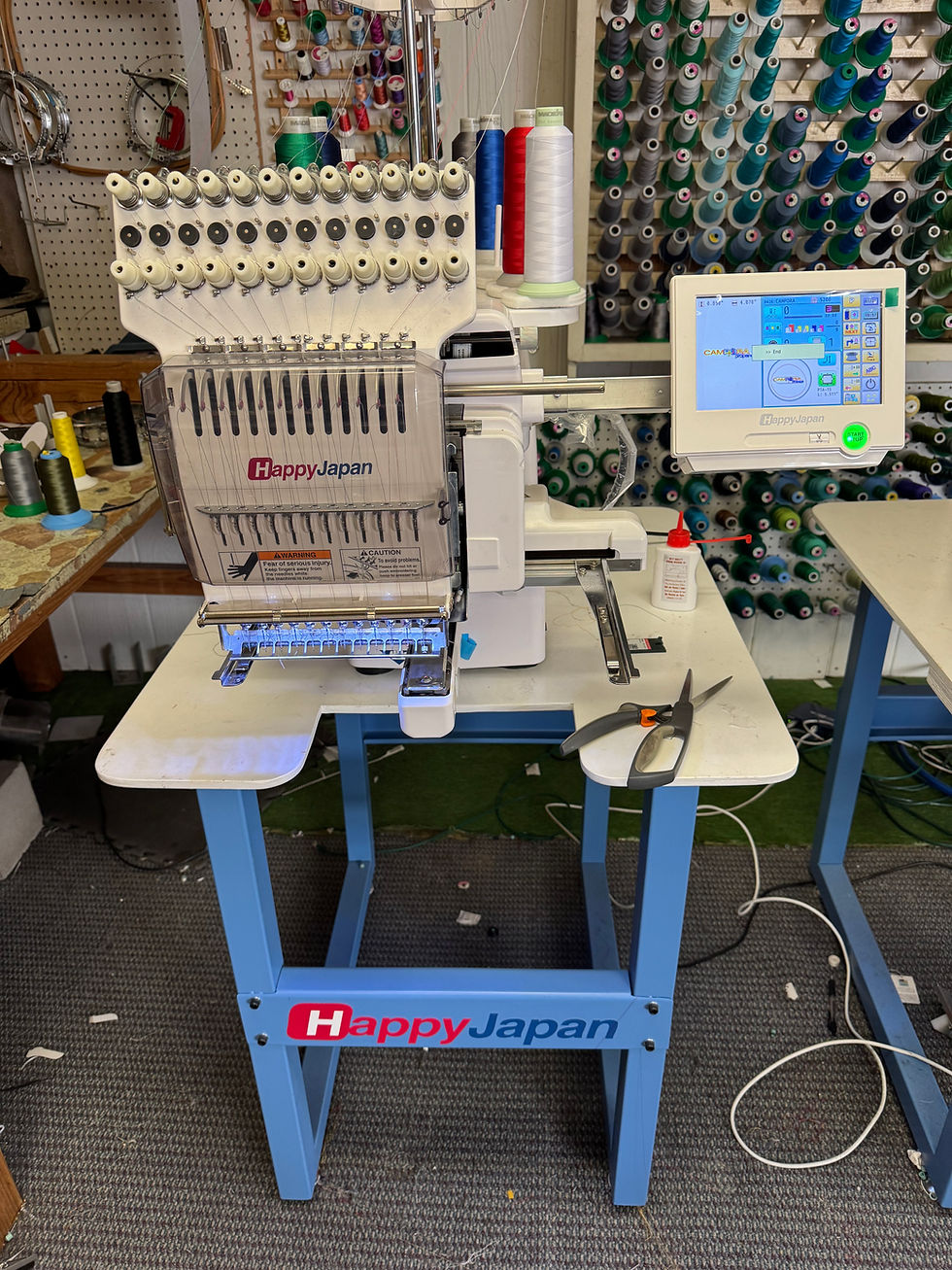
Essential Embroidery Machine Maintenance Tasks
To keep your embroidery machine in excellent condition, focus on these essential maintenance tasks:
1. Clean Your Machine Regularly
Dust and lint are the biggest enemies of embroidery machines. After every use, remove thread scraps and lint from the bobbin case, needle plate, and feed dogs. Use a small brush or compressed air to clean hard-to-reach areas. Avoid using a vacuum, as it can damage delicate parts.
2. Oil Moving Parts
Check your machine’s manual for oiling points. Apply sewing machine oil sparingly to the recommended areas to reduce friction and wear. Over-oiling can attract more dust, so use just enough to keep parts moving smoothly.
3. Replace Needles Frequently
Needles dull quickly, especially when working with thick or synthetic threads. Change needles after every 8 hours of use or sooner if you notice skipped stitches or fabric damage. Using the correct needle size and type for your fabric is also important.
4. Check Thread Tension
Incorrect thread tension causes uneven stitches and thread breaks. Test your tension settings regularly and adjust as needed. If you’re unsure, consult your machine’s manual or a professional technician.
5. Inspect Bobbin and Bobbin Case
Make sure the bobbin is wound evenly and inserted correctly. Clean the bobbin case to remove lint and check for damage. A damaged bobbin case can cause thread jams and poor stitch quality.
6. Update Software and Firmware
If your embroidery machine has computerized controls, keep the software and firmware up to date. Manufacturers often release updates that improve performance and fix bugs.
By following these steps, you’ll keep your machine running smoothly and avoid many common problems.

How much does an embroidery machine service cost?
Understanding the cost of professional embroidery machine service helps you plan your maintenance budget. Service costs vary depending on the machine model, the extent of the service, and your location.
Some service providers offer maintenance contracts with regular visits, which can be cost-effective for busy commercial operations. These contracts often include priority scheduling and discounted repair rates.
Remember, investing in regular professional service can save you money by preventing major breakdowns and extending your machine’s life. If you want to learn more about reliable embroidery machine service, it’s worth contacting a trusted expert.
Troubleshooting Common Embroidery Machine Issues
Even with good maintenance, you might encounter some common problems. Here’s how to troubleshoot them quickly:
Thread Breaks
Check for correct threading path
Replace old or poor-quality thread
Adjust thread tension
Inspect needle for damage or dullness
Skipped Stitches
Replace the needle
Check needle size and type for fabric
Clean the bobbin area
Adjust thread tension
Fabric Puckering
Use stabilizer appropriate for fabric
Adjust thread tension
Slow down machine speed
Use the right needle size
Machine Jamming
Clean lint and thread debris
Check for damaged parts
Ensure bobbin is inserted correctly
Lubricate moving parts
If problems persist, it’s best to schedule a professional service to avoid further damage.
Tips for Extending Your Embroidery Machine’s Life
Beyond regular maintenance, here are some additional tips to maximize your machine’s lifespan:
Use quality threads and needles: Cheap supplies can cause damage and poor results.
Keep your workspace clean: Dust and dirt can enter the machine and cause issues.
Avoid overworking your machine: Give it breaks during long production runs.
Store your machine properly: Cover it when not in use to protect from dust.
Train your staff: Make sure everyone operating the machine knows proper handling and maintenance.
By following these guidelines, you’ll protect your investment and keep your embroidery business running smoothly.
Scheduling Regular Professional Maintenance
While daily and weekly maintenance is essential, professional servicing is equally important. A trained technician can perform detailed inspections, calibrate your machine, and replace worn parts you might miss.
Set a schedule for professional maintenance based on your machine’s usage. For heavy commercial use, twice a year is a good rule of thumb. For lighter use, once a year may suffice.
Professional service helps catch hidden issues early and ensures your machine operates at peak performance. It’s a smart investment that reduces unexpected downtime and costly repairs.
Taking care of your embroidery machine is not just about fixing problems - it’s about preventing them. With regular maintenance, proper handling, and timely professional service, you can keep your machine running efficiently for years. This means better productivity, higher quality embroidery, and a stronger business overall.
Start implementing these expert tips today and watch your embroidery machine perform at its best. Your business deserves nothing less.


Comments